Expand Patient Access
Enable convenient consultations through secure virtual care applications.


Build Connected Healthcare Experiences Beyond the Clinic
Deliver accessible healthcare through secure, scalable digital applications. VLink provides custom telemedicine app development for healthcare organizations.








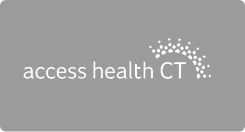


Traditional healthcare workflows often limit accessibility and operational efficiency. Digital healthcare applications create more connected patient experiences. VLink helps organizations modernize care delivery through custom healthcare software development solutions.
Enable convenient consultations through secure virtual care applications.
Simplify appointments, documentation, and administrative workflows.
Capture patient health data through connected medical devices.
Support communication through reminders and digital interactions.
Integrate applications with existing clinical technology infrastructure.
Build scalable platforms for evolving healthcare requirements.
Build applications around your clinical workflows and business objectives.
Simplify virtual consultations through custom telemedicine applications. Connect patients and healthcare professionals through secure digital experiences.
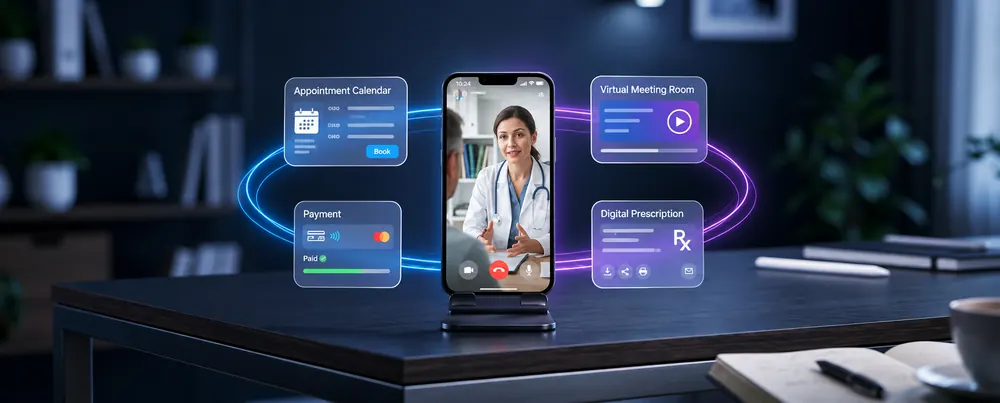
Extend healthcare services through connected telehealth applications. Enable patients to access healthcare beyond traditional clinical settings.

Monitor patient health through connected devices and applications. Enable healthcare teams to review patient-generated health information remotely.

Manage distributed patient populations through centralised monitoring platforms. Give healthcare teams visibility into connected patient health data.

Connect healthcare applications with compatible wearables and medical devices. Enable reliable health data exchange across connected ecosystems.
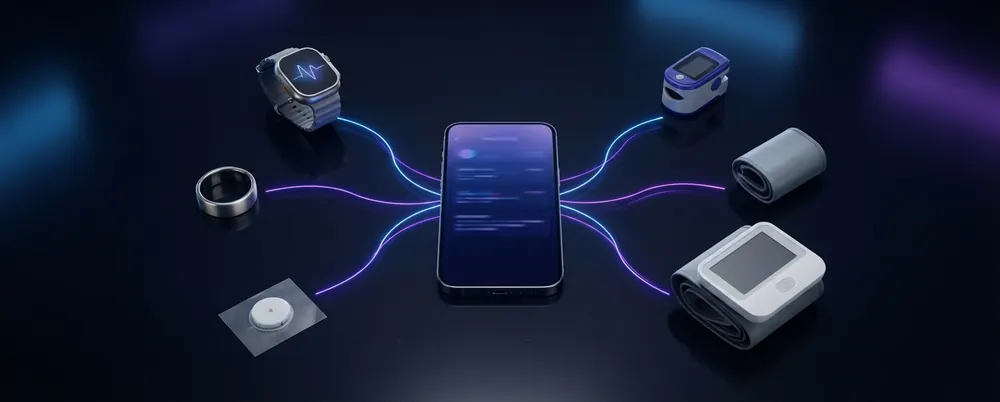
Connect digital health applications with existing healthcare infrastructure. Enable secure information exchange across clinical systems.
Let's discuss your product vision and development roadmap.

Every healthcare organization has different clinical and operational requirements. We develop applications around specific patient care workflows.
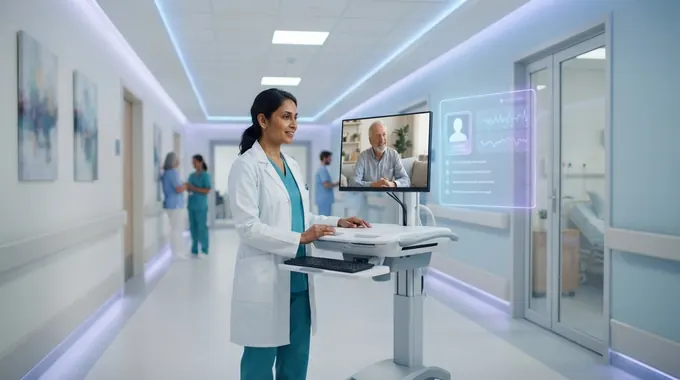
Extend hospital services through connected virtual care applications.

Launch digital healthcare products with flexible application architectures.
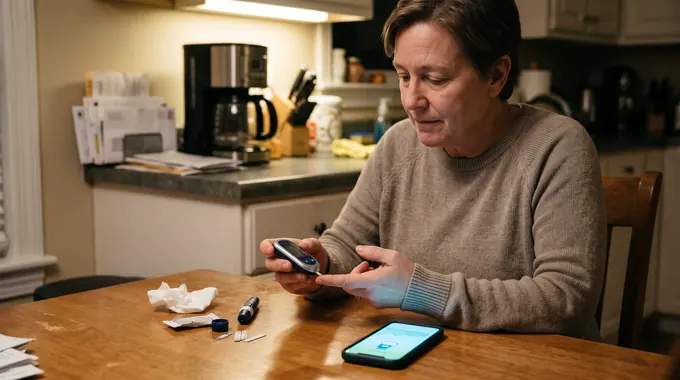
Support ongoing monitoring for patients managing chronic conditions.

Create virtual healthcare experiences for specialised clinical workflows.
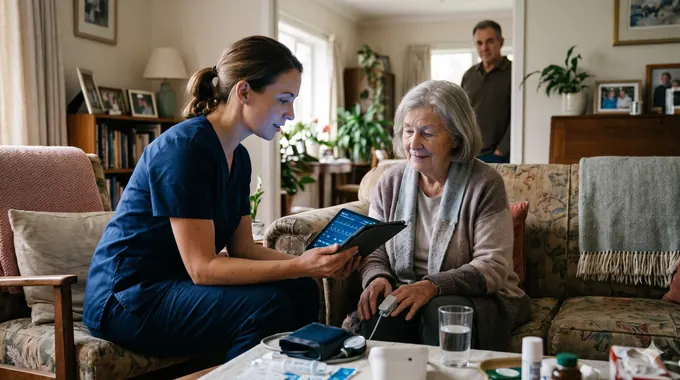
Connect home-based patients with distributed healthcare teams.
Build intuitive experiences for patients, providers, and administrators. Select functionality according to your application requirements.
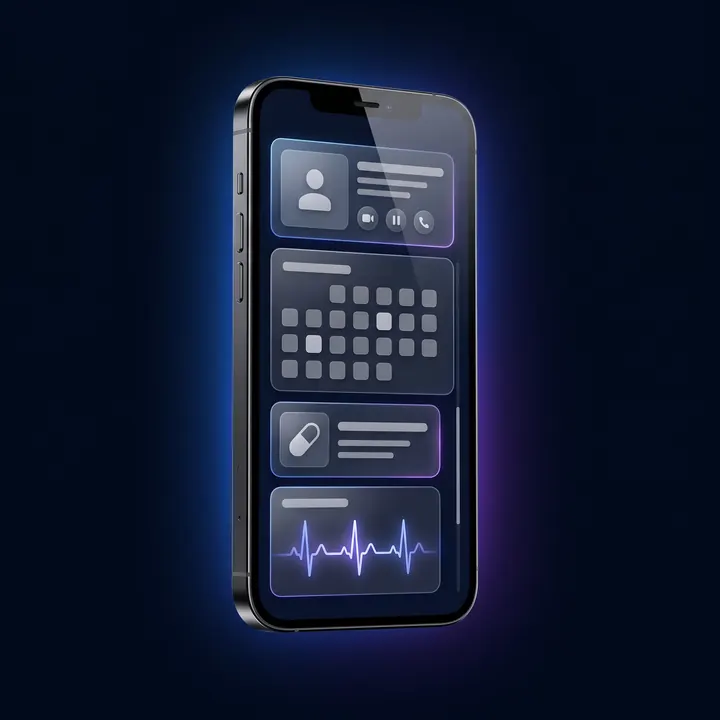
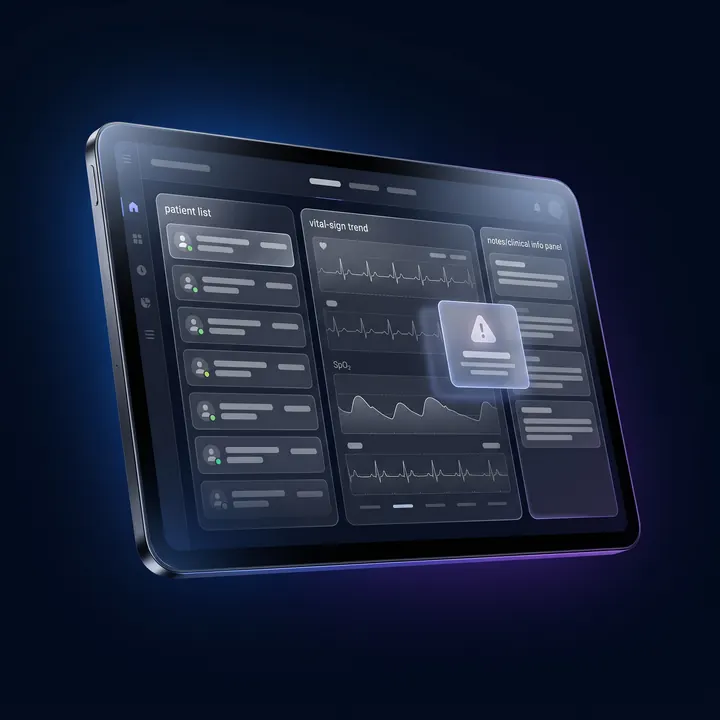
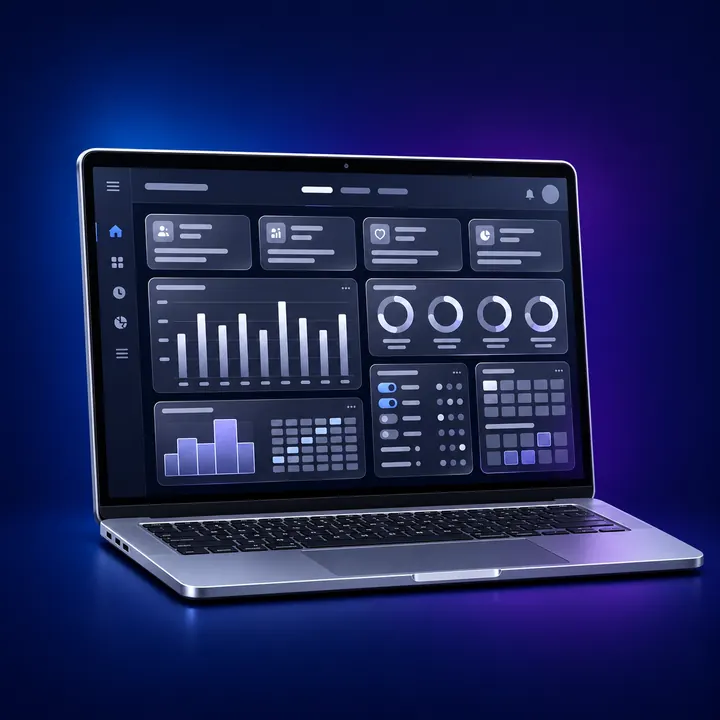

We select technologies according to your product requirements. Our engineering capabilities support modern healthcare application architectures.
Epic, Oracle Health, and other compatible platforms.
Apple HealthKit, Android Health Connect, supported wearable APIs.
Blood pressure monitors, glucose monitors, and pulse oximeters.
Video conferencing, secure messaging, SMS, and email.
Stripe and other supported payment gateway integrations.
HL7 v2, HL7 FHIR, and healthcare APIs.
Healthcare applications require strong safeguards for sensitive patient information. VLink incorporates security considerations throughout the development lifecycle.
Implement safeguards supporting applicable HIPAA requirements.
Protect sensitive information during transmission and storage.
Implement MFA, role-based access, and permissions.
Track relevant access and administrative activities.
Protect endpoints through authentication and input validation.
Configure access restrictions, backups, and infrastructure monitoring.
Support consent management and appropriate information handling.
Our structured development process aligns technology with business requirements. Each stage addresses functionality, quality, security, and scalability.
Understand your business model, users, and clinical workflows. Define requirements, integrations, priorities, and technical objectives.
Design architecture around your application requirements. Select suitable technologies, databases, APIs, and infrastructure.
Create intuitive interfaces for patients and healthcare professionals. Validate user journeys through interactive prototypes.
Build mobile applications, web platforms, and backend services. Integrate healthcare systems, devices, and communication technologies.
Validate functionality, performance, integrations, and application security. Conduct cross-platform and user acceptance testing.
Configure production environments and deploy application components. Establish monitoring, backups, and operational support.
Maintain application performance and address technical issues. Introduce improvements as business requirements evolve.
VLink supports your development journey. Build applications designed for evolving healthcare needs.

VLink combines engineering expertise with business-focused development.
Build solutions around your clinical workflows and requirements.
Leverage modern technologies for web and mobile applications.
Connect clinical systems, APIs, wearables, and compatible devices.
Prepare applications for evolving business and technology requirements.
Align engineering priorities with your product roadmap.
Choose an engagement model that matches your requirements.
Build a team aligned with your product roadmap.
Engage VLink for clearly defined development initiatives.
Extend your existing engineering team's technical capabilities.
Telemedicine app development creates applications supporting remote clinical consultations. Patients connect with healthcare professionals through secure digital platforms. These applications simplify appointments, communication, and follow-up workflows.
Telehealth includes broader clinical and non-clinical healthcare services. Telemedicine primarily focuses on remote clinical consultations and treatment. Both support digitally connected healthcare delivery.
Telehealth app development creates applications supporting remote healthcare services. These include consultations, communication, monitoring, and patient engagement. Applications connect patients and providers beyond physical facilities.
RPM development enables remote collection of patient health measurements. Connected devices transmit information for healthcare professionals' review. Dashboards support monitoring and patient data visibility.
Yes, VLink can integrate compatible wearables and medical devices. Supported integrations depend on manufacturer APIs and device capabilities. Data synchronisation enables connected patient monitoring workflows.
We implement safeguards aligned with applicable HIPAA requirements. These include encryption, authentication, access controls, and audit logging. Organizational compliance requires additional policies and operational safeguards.
Yes, applications can connect with compatible EHR/EMR platforms. Integrations may use HL7, FHIR, and available APIs. Access depends on vendor permissions and technical capabilities.
Development costs depend on features, platforms, and integrations. Security, infrastructure, and complexity also influence project costs. VLink provides estimates after reviewing your requirements.
Timelines depend on functionality, integrations, and technical complexity. MVPs generally require less development than enterprise platforms. VLink establishes timelines following project discovery and assessment.
Yes, we integrate video consultations and payment functionality. Applications can also support scheduling and billing workflows. Integration choices depend on your technical requirements.
Yes, we support healthcare application modernisation and upgrades. Services include cloud migration, integrations, and performance optimization. We also help introduce new application capabilities.
Not every remote patient monitoring application requires FDA approval. Requirements depend on intended use and regulated software functionality. Organizations should assess applicable FDA requirements before launching.
Applications can support relevant monitoring and documentation workflows. Reimbursement eligibility depends on applicable Medicare requirements and policies. Providers must independently assess coverage and billing criteria.